Waste Disposal at RWTH
From the Garbage Can Back into the Materials Cycle
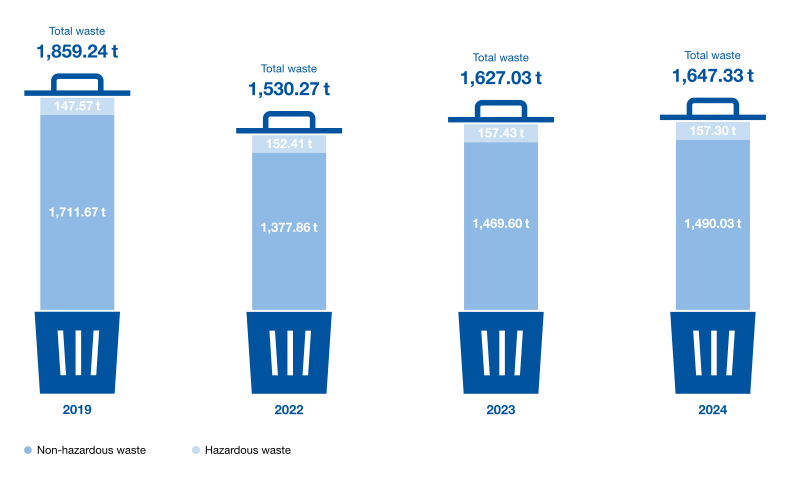
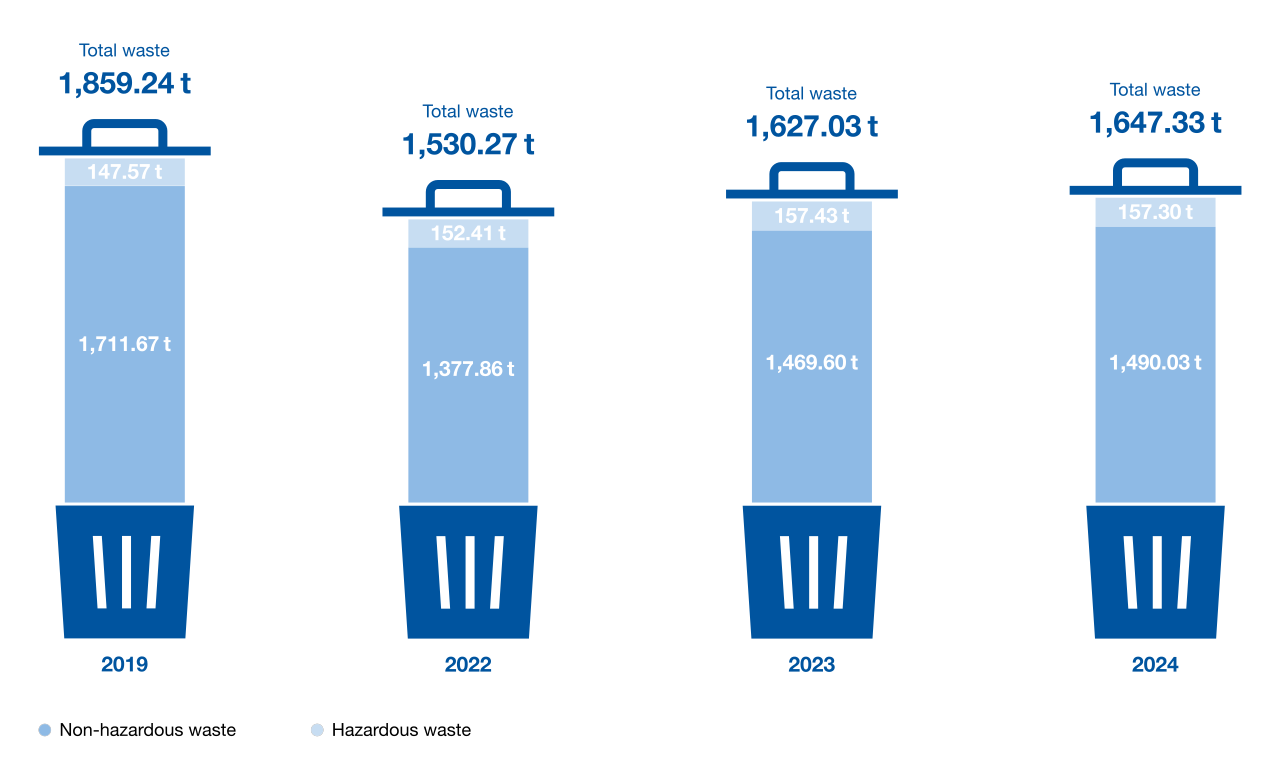
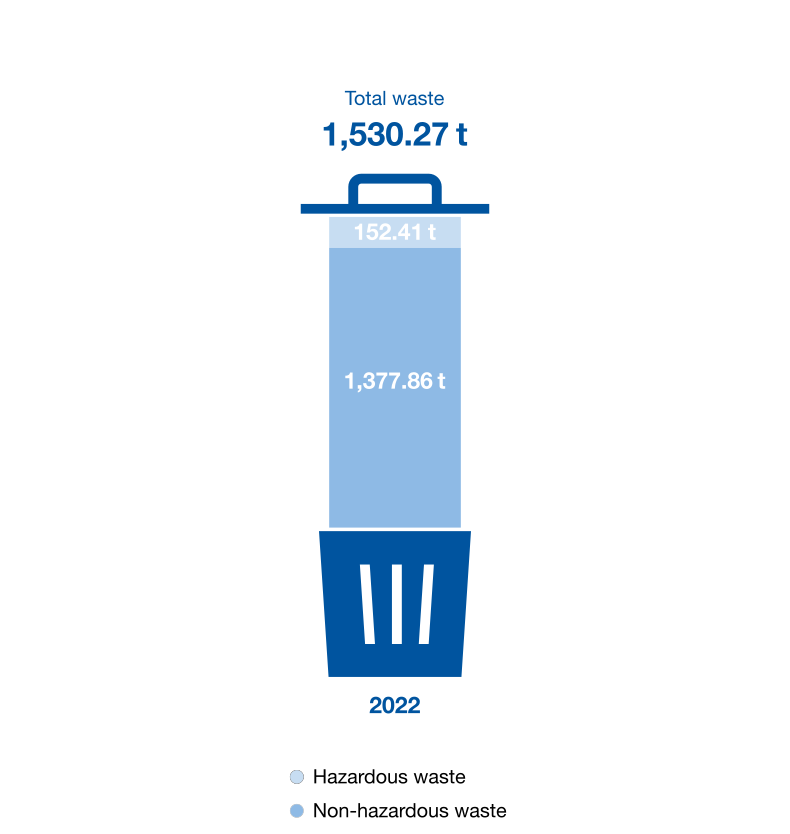
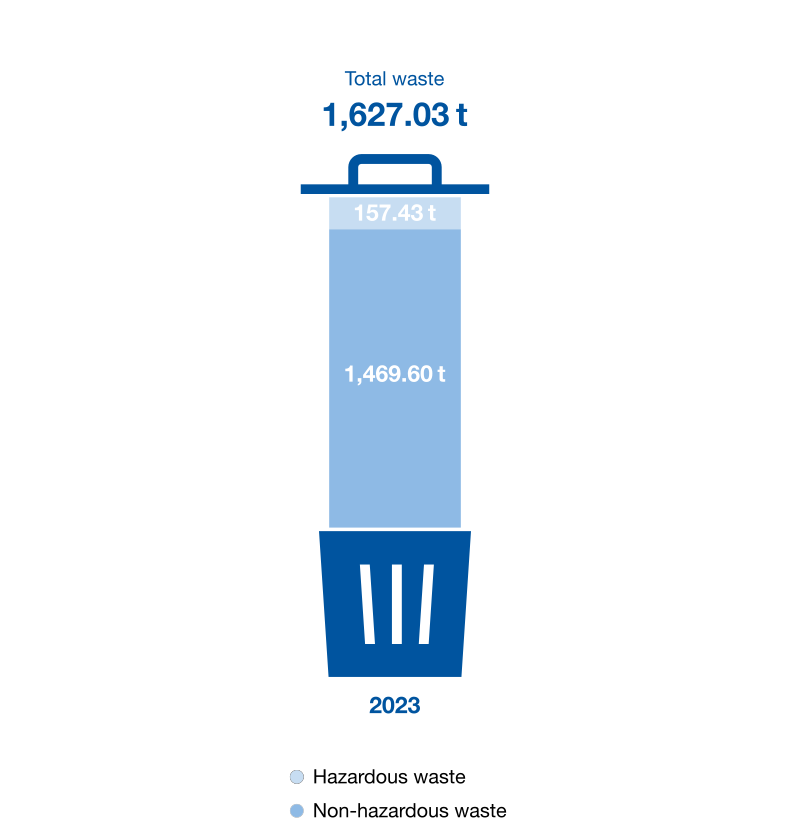
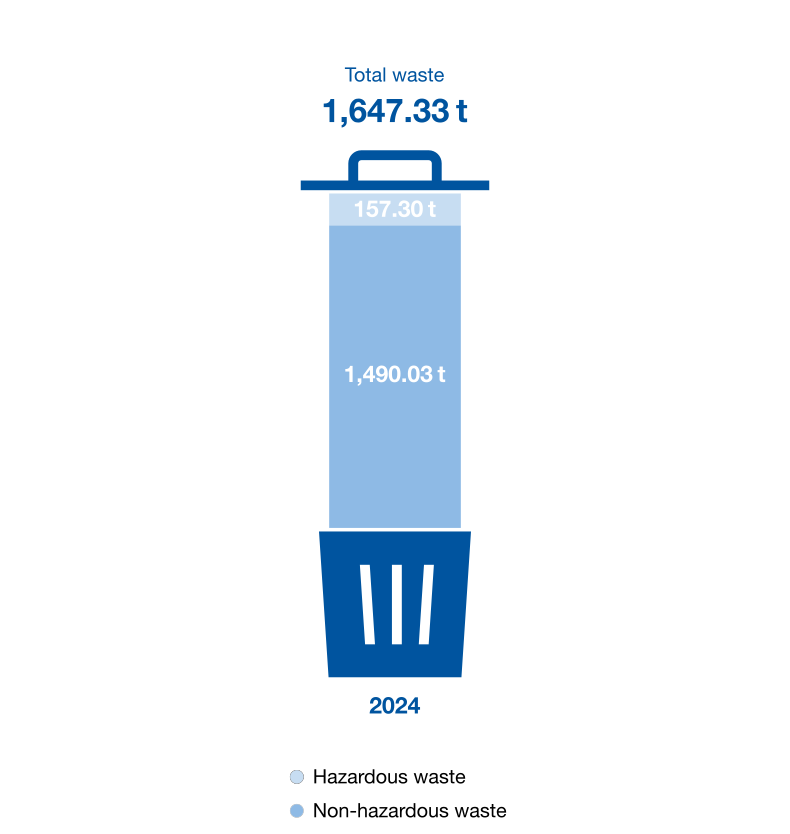
When it comes to the most efficient and sustainable use of resources, we often consider the issue of waste disposal. RWTH Aachen University’s Sustainability Strategy dedicates three separate goals to the topic of waste disposal. In addition to the effective separation of waste, we also focus on reducing the overall volume of waste. The amount of non-hazardous waste generated has decreased in recent years and amounted to 1,490.03 t in 2024. However, the amount of waste is lower than it was before the COVID-19 pandemic. The volume of hazardous waste remained constant from 2021 to 2024. Most recently it amounted to 157.30 t in 2024 (see figure).

At RWTH, waste is disposed of in three categories: Paper, residual waste, and lightweight packaging – this last one is also known as the yellow bag or yellow garbage can. However, the yellow garbage can is not yet a comprehensive part of our waste disposal concept. What began with a pilot project in 2022 has been being driven forward ever since. The introduction of the yellow garbage can at RWTH does not make the level to which it is used comparable with private households. You can read more about these challenges in the second sustainability report. All three types of waste can be disposed of in a total of 19 buildings used by the University (as of the end of 2025). These include several institutes, office buildings, the University sports center and the Audimax and C.A.R.L lecture hall buildings, which have been equipped with new waste separation stations since December 2025. The planning and implementation processes are carried out in cooperation with the Environmental Protection Section of Department 11 – Infrastructure.
However, proper waste separation can only be effective if you have the right containers, and if the measures taken have been effectively communicated to the people involved. These are intended to draw attention to the issues at stake as well as to provide assistance and background knowledge. In addition to reporting formats via digital channels such as social media, newsletters or the website, using stickers and aids such as tables that show how waste should be separated offer more practical information for waste separation in everyday University life. An information event focusing on the yellow garbage can is being planned for summer 2026.